
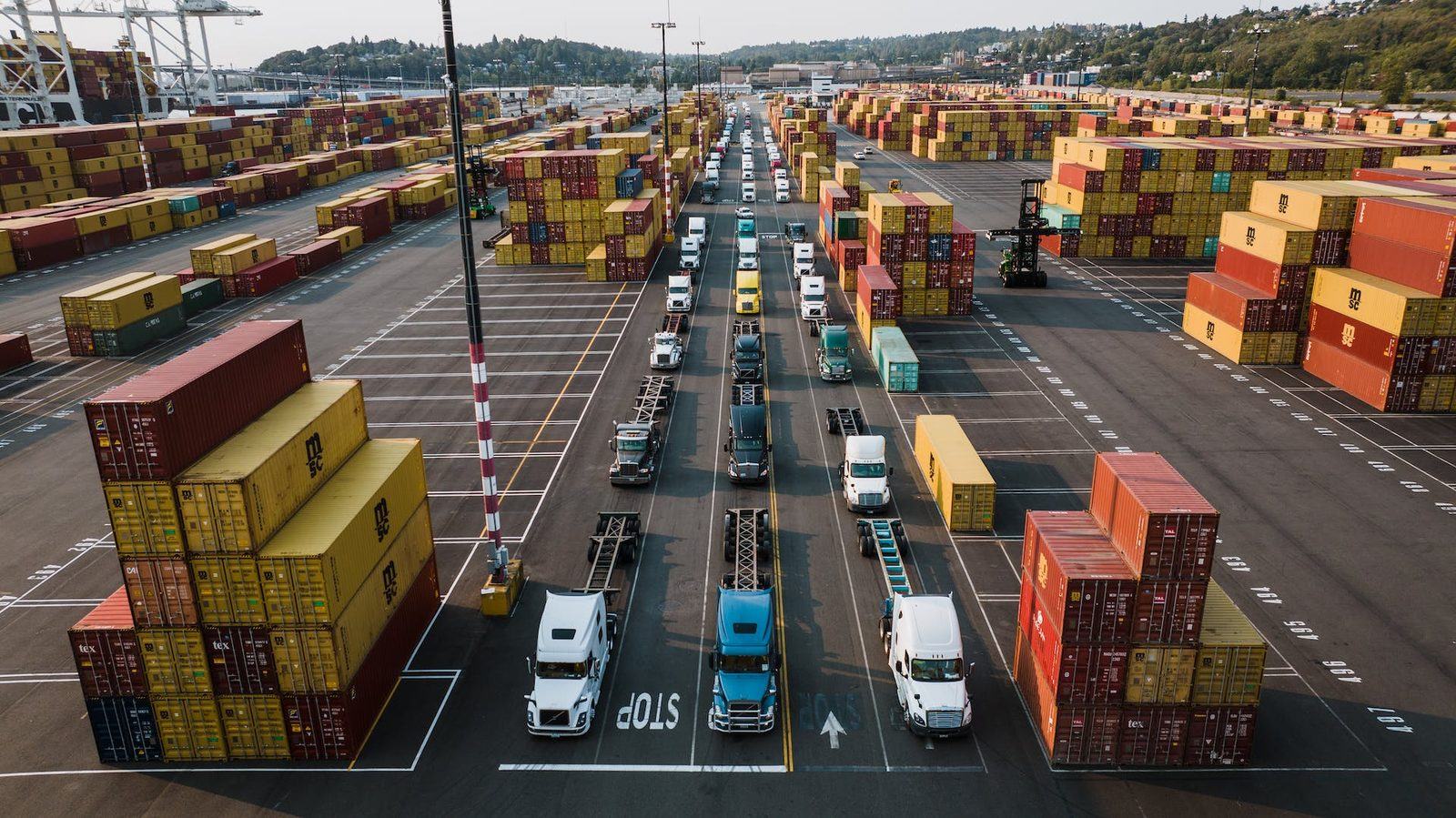
When a vessel berths, three things start happening at once: the terminal discharges and stacks the container, the carrier releases the bill of lading, and Customs decides whether the declaration can be accepted as filed. Clearance is the point where those three timelines have to meet.
The three documents that decide the timeline
Everything else can be fixed later. These three cannot:
- The bill of lading: the carrier will not release cargo without it, and a telex release takes time to confirm.
- The commercial invoice and packing list: valuation is built from them, and an invoice that does not match the manifest invites a query.
- The classification: the HS code sets the duty rate, and a wrong code is the single most expensive error in the file.
Where a week disappears
In our experience the delay is rarely the examination itself. It is the correction cycle before it. A declaration is filed, queried, corrected and re-filed, and each loop costs a day. That is why we classify from the invoice before the vessel sails: a query answered at sea costs nothing, while the same query at the counter costs demurrage.
Duty that is known before arrival is a cost you can plan. Duty discovered on arrival is a cash-flow problem with a deadline.
What good looks like
A clean clearance has the declaration accepted on the day of discharge, duty paid the same day, and the container released to haulage within twenty-four hours. It is not luck. It is a complete file, a correct code and funds available when the assessment lands.
If you are importing for the first time, ask your broker for the classification and the duty computation in writing before you book the freight. If they cannot produce it, you have found your risk.